|
Why I’m giving money to
music programs
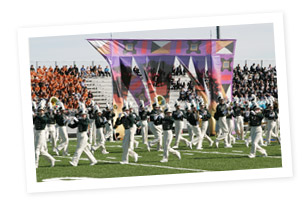
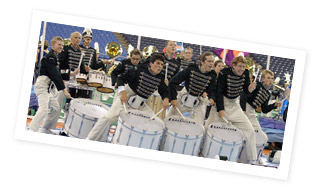
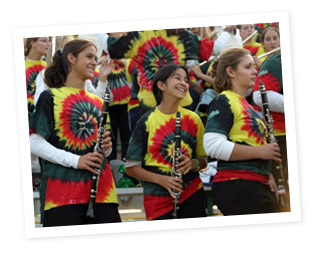
Students who attend Concord High School
are able to take band, jazz band, piano, choir, and music theory during
their school days. They can rent instruments for $50 each year, and
their participation in marching band requires only an additional uniform
fee of $25. All the directors are paid by the school district, which
also pays for a music secretary. Music in the Concord school district
starts with regular instruction in the elementary schools. Students
who go to Concord schools may not know that they’ve hit the music-education
jackpot, but they do know that music is important to their community—and
that it’s available to them.
Most students and most school districts aren’t so lucky. Funding for
music and the arts in our nation’s schools has been declining for decades.
Ongoing budget crises and a tight focus on basic skills have worsened the
situation. The unique qualities of music education— its reliance on
expensive instruments and qualified teachers, the importance of daily instruction,
group dynamics—work against it in such an environment. It can be easier
to let music programs fall to the budget ax than to put in place the curriculum,
teachers, instruments, and institutional and community support necessary
to create a successful program.
And yet it’s important to bring music to young people everywhere,
no matter where they live. Study after study tells us what we should know
intuitively—that learning to play music in an ensemble makes us better
students, better employees, better citizens, better people.
Even before I was done writing American Band, I wanted to help raise money for music in the schools. As part of the book tour following the hardcover release, I donated over $15,000 to more than one hundred music programs around the country. I will continue to support fund-raising and awareness efforts for music in the schools. (Go to special offers for more information.)
Band made a difference in my life. By donating my own money, I hope I can help
those bands make a difference in the lives of other young men and women.

|
 AMERICAN BAND